
Ilk qadam
Uzbekistan’s state preschool curriculum (3rd edition) with its five areas of development. Followed in full.
The programme
Uzbekistan’s state curriculum Ilk qadam, followed in full — with the Cambridge Early Years framework delivered through it, not alongside it. Built after studying thirteen of the world’s best early-years systems.
 Illustrative photo
What we teach with
Uzbekistan’s state preschool curriculum (3rd edition) with its five areas of development. Followed in full.
The organising spine: six learning areas and twelve key principles, with a gradual move from play to more formal learning.
A British-English course from Cambridge — the daily bank of songs, stories and words for every class.
One phonics scheme, written for children learning English as a second language, with handwriting built in.
Graded British-English picture books, from the very first Pink band up to Yellow.
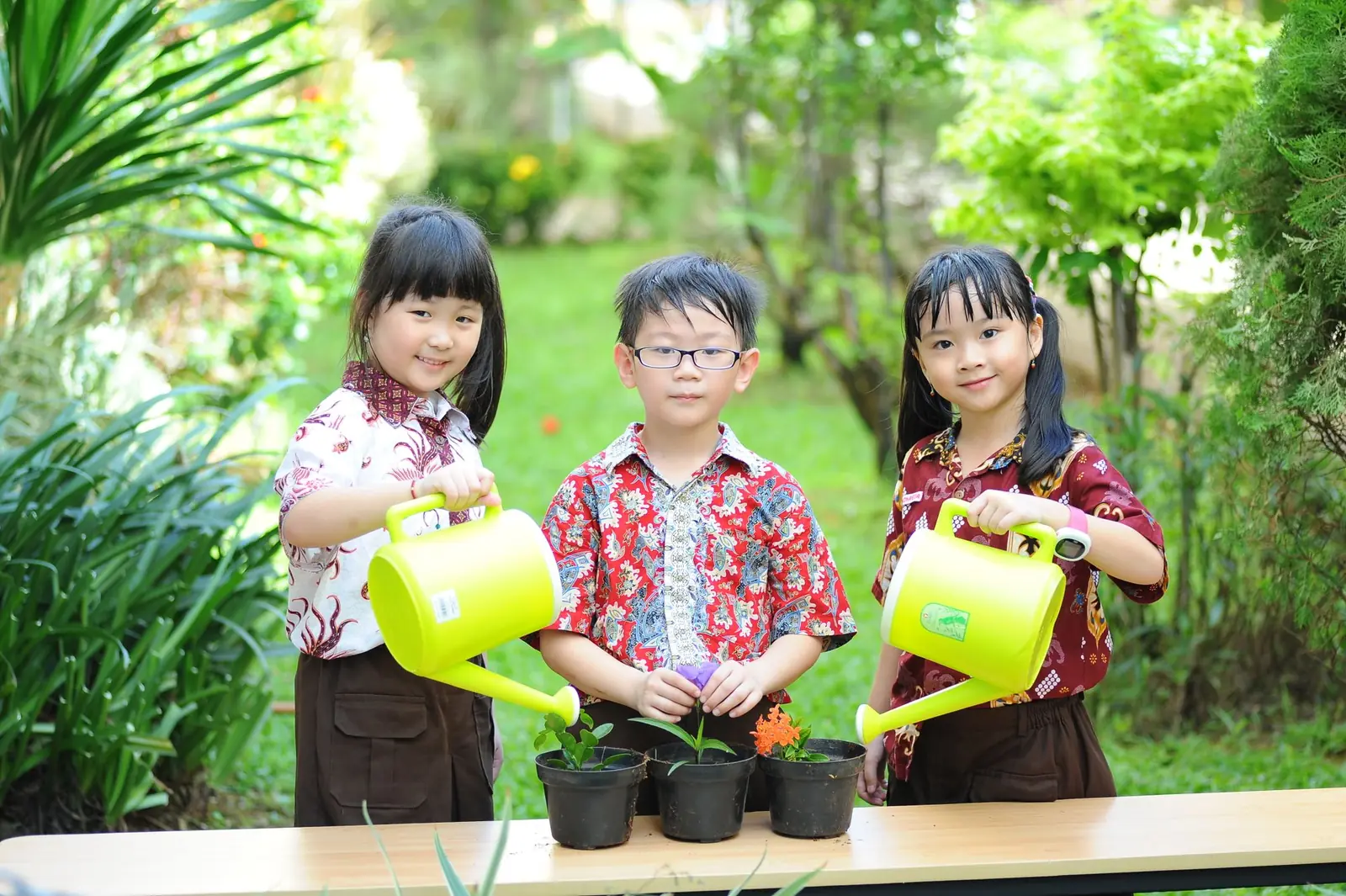
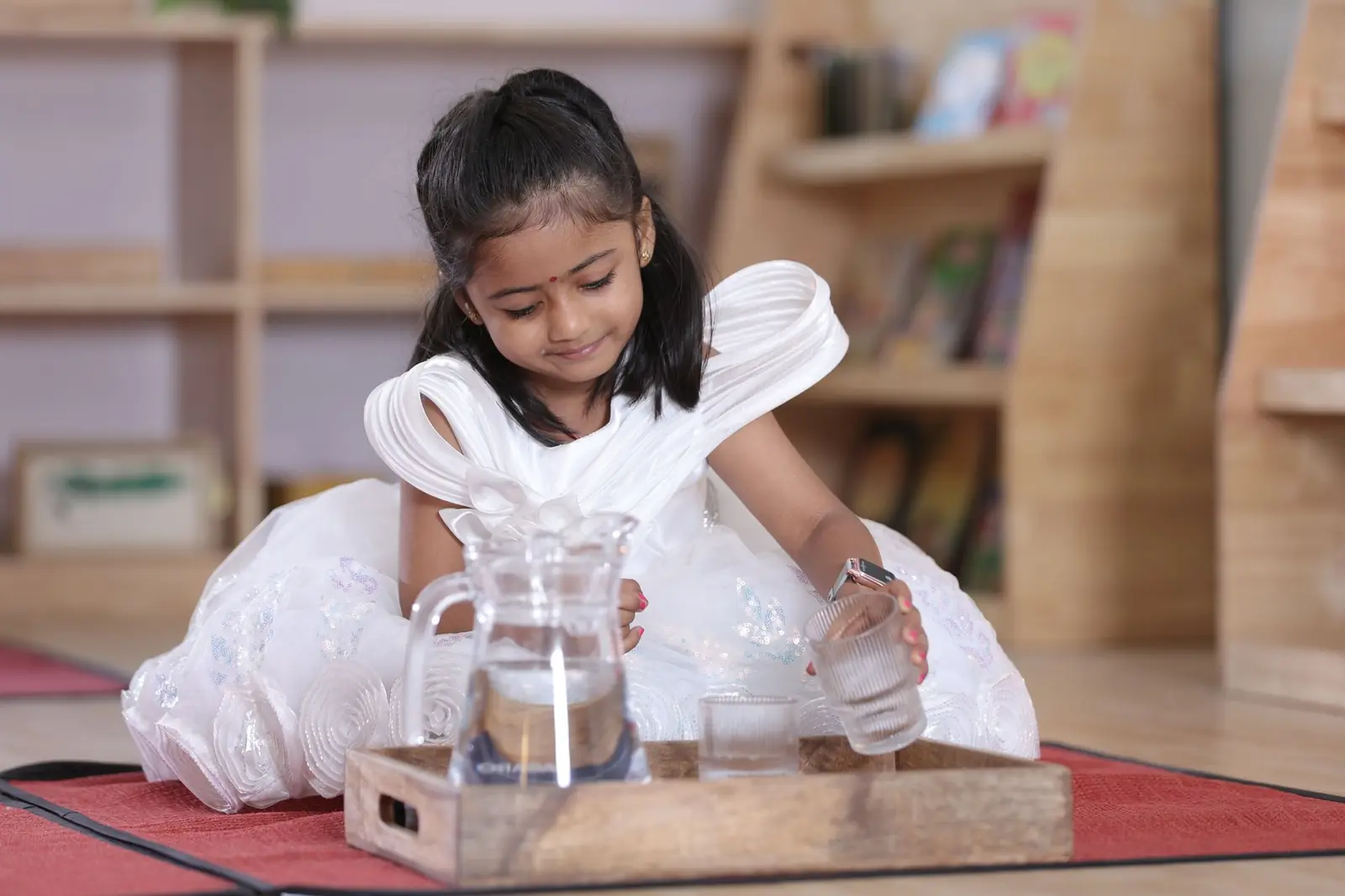
Montessori-style practical-life activities: pouring, buttoning, laying the table and caring for plants.
The state maths and STEAM sets, so nothing in the national programme is missed.
The classes
Realistic goals, by the end of each year. We plan for them every week — and we never rush children into what belongs to Grade 1.
 Illustrative photo
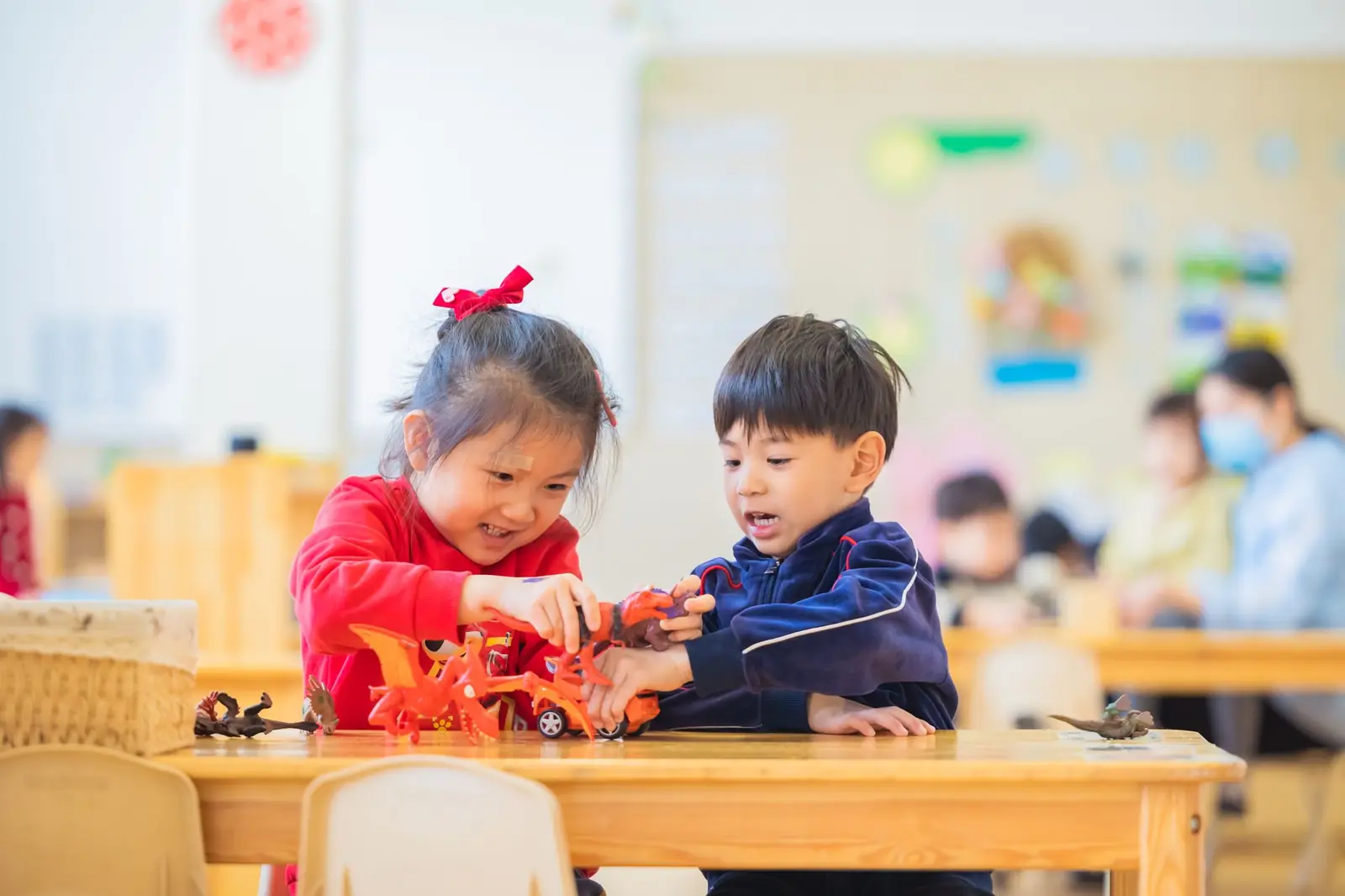
First friends, first words, and the first proud “I did it myself!”
 Illustrative photo
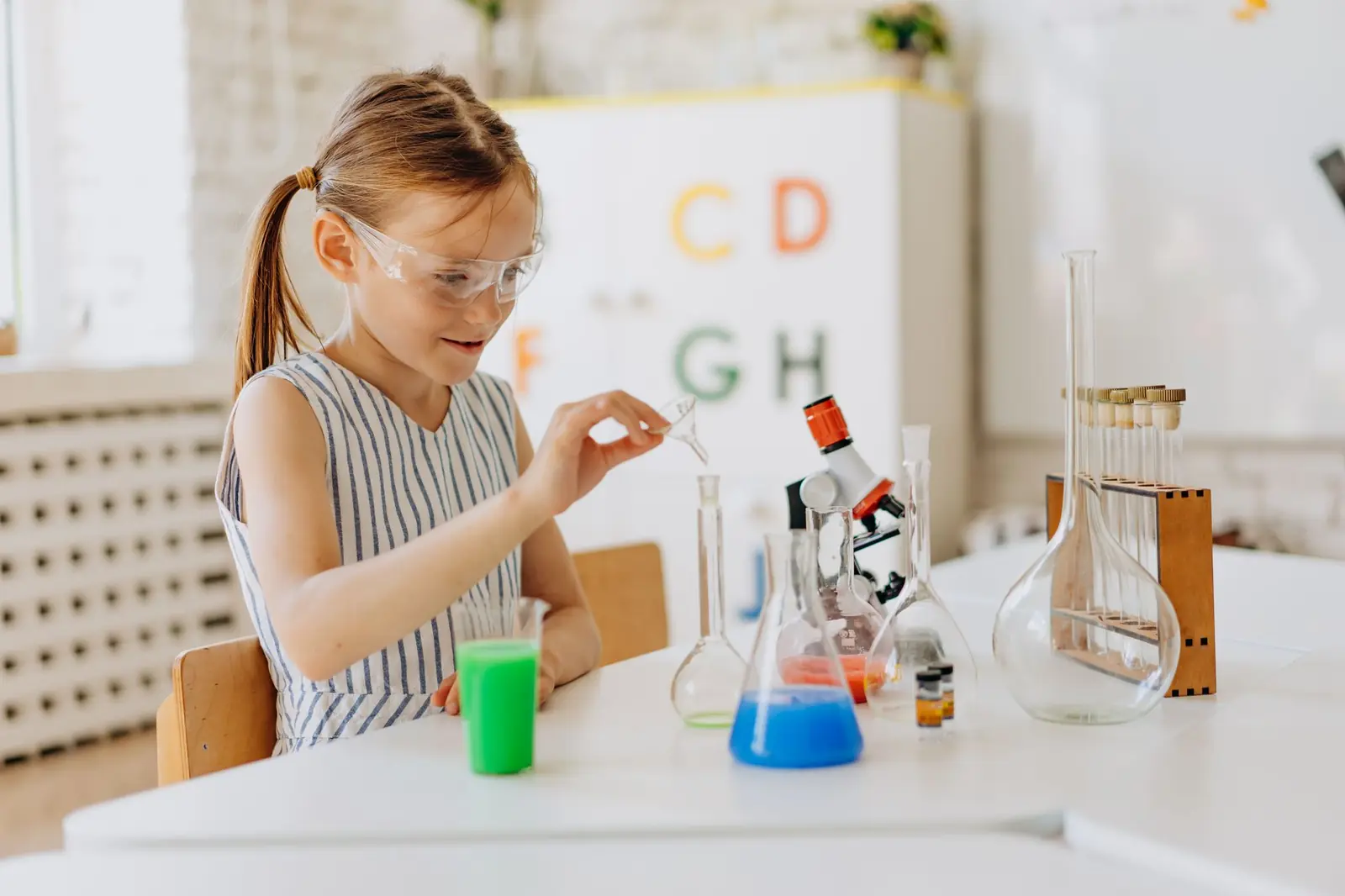
Big questions, first experiments, and stories retold from start to finish.
 Illustrative photo
The school-preparation year: first reading, real counting and quiet confidence.
Languages
Choose the group that speaks your family’s language. Reading starts in the mother tongue; English follows close behind, through songs, stories and play.
Mother-tongue time is never traded for more English. The two make each other stronger.
The whole day in Uzbek: circles, stories, maths and early reading — the strong first language every other language builds on.
The whole day in Russian, with the same programme, the same books and the same ambitions.
A dedicated English teacher who speaks only English. Songs, picture books and games with Pippa and Pop — understanding first, speaking soon after.
Learned from the world
 Illustrative photo
Progress
Teachers watch children as they play and learn, note what they can do and plan the next small step.
Weekly notes and photos of real moments.
The state map, three times a year: September, January, May.
In your language: progress, next steps, how to help at home.
In the final year, the state readiness map and an e-certificate.
No “schoolification” — real readiness.
The year
Pre-registration for September 2027 is open. Places in each group are limited — tell us about your child and we’ll get back to you.
+998 65 200 01 01info@farobiyinternationalschool.uzSanoatchilar ko‘chasi 164, Bukhara
 Illustrative photo